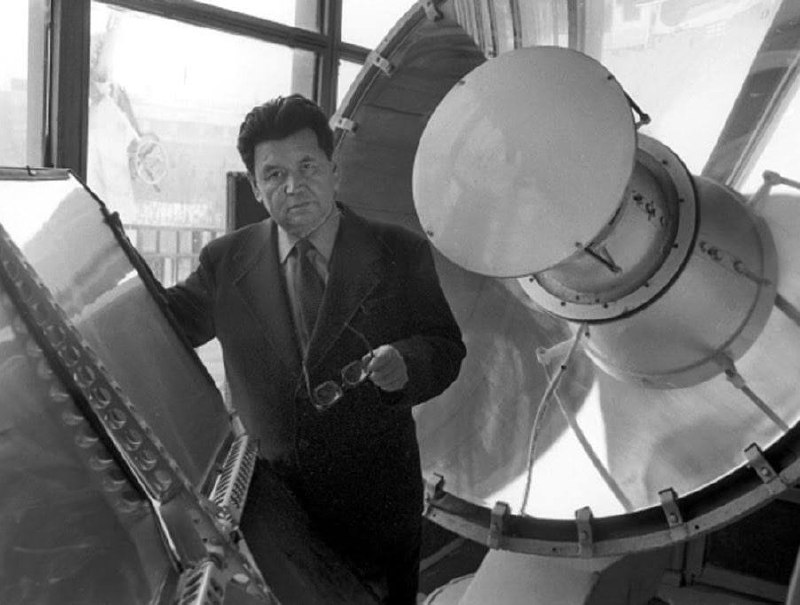
Founder of Heliotechnology in Uzbekistan · Nuclear Physicist · Academician
↓
Biography
The Scientist Who Chose Homeland
Giyas Yakubovich Umarov was a man whose life traced the arc of a nation's scientific awakening. Born in Tashkent on December 25, he rose from a young Uzbek student in postwar Leningrad to become one of the most consequential scientists in Central Asian history — the first candidate of sciences in nuclear physics in all of Uzbekistan, and ultimately the founder of an entirely new field: heliotechnology, the science of harnessing the sun.
His path was marked by a singular conviction: that his homeland needed him more than Moscow's prestigious laboratories did. In 1949, having just defended a brilliant dissertation at Moscow State University — one that saw him debate Lev Landau himself over the mass of the neutrino — he was offered a coveted position in the capital. He declined. He returned to Tashkent, where he would spend the rest of his life building scientific infrastructure where none existed, training generations of researchers, and pursuing a vision of solar energy that the world would only catch up to decades later.
Over a career spanning five decades, he supervised 54 doctoral and candidate dissertations, authored four monographs and over 250 scientific articles, founded the journal Heliotechnika (still published internationally by Springer as Applied Solar Energy), and championed causes from the Large Solar Furnace near Tashkent to the rescue of the Aral Sea. His last scientific work was on maintaining stable plasma equilibrium in a tokamak — a man who, until his final days, dreamed of harnessing the power of plasma and the Sun to improve human life.
1946–1962
The Nuclear Physics Era
1946 — The Vavilov Encounter
The young Giyas Umarov traveled from Tashkent to Leningrad to pursue graduate studies in nuclear physics — a field virtually unknown in Uzbekistan. On the steps of the university, he had a chance meeting with Academician Sergei Ivanovich Vavilov, President of the USSR Academy of Sciences. Vavilov was struck by the young man's determination and personally arranged his admission to the legendary Radium Institute under Academician V.G. Khlopin.
During his first demonstration in Khlopin's laboratory, the equipment malfunctioned — no readings appeared. The young physicist was mortified. Khlopin simply smiled and said: "That's called the Visit Effect" — and accepted him as a graduate student on the spot.
1949 — The Landau Debate
At Moscow State University, Umarov prepared to defend his dissertation on nuclear physics — making him the first candidate of sciences in this field from Uzbekistan. During the pre-defense review, the great Lev Landau challenged his estimate of neutrino mass. The prevailing view placed it at 0.3–0.8 of electron mass. Umarov argued it was no more than 1/50 to 1/100 of the electron's mass — a position far closer to modern understanding.
"The dissertator remained with his opinion, and the opponent with his."
— Lev Landau's review of Umarov's dissertation
The MSU academic council voted unanimously — all 43 members — in Umarov's favor. Decades later, his research on neutrino mass was cited alongside 13 Nobel laureates in Zeldovich and Khlopov's landmark 1981 article in Uspekhi Fizicheskikh Nauk.
1949 — The Choice
Offered a prestigious position in Moscow, the newly minted scientist made the decision that would define his legacy: he returned home to Tashkent. He wanted to build a family and build scientific capacity in his homeland. In the 1950s, he became the first to teach advanced physics in the Uzbek language at the Central Asian Polytechnic Institute.
1957 — JINR Dubna
He organized a group of Uzbek scientists at the Joint Institute for Nuclear Research (JINR) in Dubna — the "Soviet CERN." There he developed a beta-spectrograph on a permanent magnet, work that would lead to his first monograph.
1958 — The Kurchatov Connection
Under the direction of Igor Vasilyevich Kurchatov, the father of the Soviet atomic program, Umarov organized a plasma laboratory at the Physical-Technical Institute in Tashkent. Kurchatov personally arranged for two railway wagons of equipment to be sent from Moscow — an extraordinary gesture of support for frontier science in Central Asia.
Beginning in 1963, Umarov made a dramatic pivot — from nuclear physics to the science of the sun. He recognized that Uzbekistan, blessed with over 300 days of sunshine per year, held the key to a different kind of energy revolution. He founded the Helio Department at the Physical-Technical Institute, comprising four laboratories and a design bureau, and began transforming Tashkent into what colleagues called "the Mecca of heliotechnicians."
The Journal Heliotechnika
He founded the scientific journal Heliotechnika, which became the premier Soviet publication on solar energy. It continues to this day, republished in the United States by Springer as Applied Solar Energy — a lasting testament to the field he created.
UNESCO Paris, 1973
In 1973, Umarov represented the Soviet Union at the UNESCO symposium "The Sun at the Service of Humanity" in Paris. During this trip, he visited the Solar Furnace at Odeillo in the French Pyrenees — an experience that ignited his vision for building something even grander in Uzbekistan. That same year, he published his celebrated book "Biruni, Copernicus, and Modern Science," tracing the deep Central Asian roots of astronomical and heliocentric thought.
The Birthday Presentation
As early as 1954, at an All-Union Conference, Umarov had proposed a tower-type solar power plant with a heliostat field — a design now used worldwide. After seeing Odeillo, he championed a far more ambitious project: a Large Solar Furnace (LSF) for Uzbekistan.
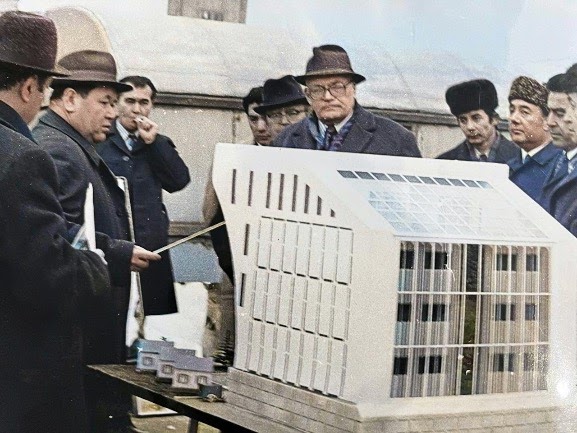
In 1975, he demonstrated the principle to V.A. Kirillin, Chairman of the State Committee for Science and Technology. Then came the decisive moment: a presentation to the Military-Industrial Commission, chaired by D.F. Ustinov (the future Minister of Defense). The date was December 25 — Umarov's birthday.
The result was historic: on May 5, 1976, the CPSU Central Committee and the USSR Council of Ministers adopted a resolution to build the Large Solar Furnace near Tashkent. The LSF was completed in 1987, under the leadership of Academician S.A. Azimov — one of the most powerful solar concentrators in the world, and a monument to Umarov's vision.
In 1971, Rabbimov, Umarov, and Zakhidov published a groundbreaking paper in Geliotekhnika titled "Storage of Solar Energy in a Sandy-Gravel Ground" — introducing the concept of using naturally occurring aquifers as long-term, seasonal reservoirs for thermal energy. This work addressed the fundamental "mismatch problem": solar energy peaks in summer when heating demand is lowest.
Umarov proposed a radical solution: instead of expensive artificial storage tanks, use the Earth itself — the porous rock and trapped water of underground aquifers — as a natural thermal battery. His concept of "unconstructed tanks" eliminated the capital cost barrier that made seasonal storage impractical.
"The initial studies of the possibility of storing hot water in aquifers were proposed in 1971. The early works were by Rabbimov, Umarov, and Zakhidov (1971), and Meyer and Todd (1973)."
— Lawrence Berkeley National Laboratory, Proceedings of the Thermal Energy Storage in Aquifers Workshop (LBL-8431), 1978
Western researchers did not produce comparable work until 1973. The 1978 DOE-sponsored workshop at Lawrence Berkeley National Laboratory formally cited Umarov's 1971 work as the "starting point" for the entire field of ATES — a rare instance of Soviet-Western scientific convergence, with the Soviet work coming first. Today's ATES systems in the Netherlands, Sweden, Germany, and the United States owe their theoretical validity to principles Umarov articulated over fifty years ago.
Umarov's engagement with Stirling engine technology represented a critical bridge between his solar concentrator research and the practical goal of autonomous power generation. The Stirling engine — an external combustion engine that can run on any heat source — was the ideal mechanism for converting concentrated solar thermal energy into electrical output.
Between 1972 and 1978, Umarov published a sustained series of eight papers on Stirling engine optimization, covering heat exchanger design, regenerator efficiency, thermodynamic analysis, and radiative heat discharge. His work directly anticipated the modern dish-Stirling solar power concept — systems like the SES SunCatcher developed in the 2000s operate on the same principles Umarov was optimizing in the 1970s.
During this period, both Soviet and American researchers were exploring the Stirling–solar connection. In the proceedings of the 1978 LBL seminar, the Philips automotive Stirling engine (Sweden) coupled with a molten-salt "thermal battery" was cited as a theoretical benchmark. Umarov's research similarly envisioned coupling solar concentrators with Stirling engines to create stable power-generating systems. A notable fact: Umarov's group's papers on Stirling engines were closely studied at NASA, as evidenced by citations in their technical reports (e.g., the Stirling Engine Design Manual).
"Sun for the People" was Umarov's humanistic manifesto as an engineer. He understood: one cannot build giant furnaces for melting steel while ignoring the fact that in villages people burn wood and coal for basic needs.
🏡 Small-Scale Solar: Technology for Every Home
In his works of the 1960s–70s (including the book "Use of Low-Potential Solar Installations", Tashkent: FAN, 1976), Umarov and colleagues developed an entire ecosystem of devices that today we would call a "smart and green home":
☀️ Solar Kitchens — Portable parabolic mirrors that could boil a kettle or cook a meal in the field without a single piece of firewood.
💧 Greenhouse-Type Desalinators — Simple glass enclosures that turned salty desert groundwater into drinking water through evaporation and condensation.
🌿 Solar Dryers (Heliodryers) — A revolution for agricultural Uzbekistan. Dried apricots, grapes, and medicinal herbs 2–3 times faster while preserving vitamins and protecting from dust and insects.
🏠 Underfloor Heating, 1970s Style — Residential designs with heat accumulators beneath the foundation that stored solar energy by day and released it to rooms at night.
💧 The Academician's Social Mission
For Umarov, solar engineering was a tool of social justice. He identified three critical directions:
🚰 Fighting Water Scarcity — In remote areas of Karakalpakstan and Surkhandarya, solar desalinators literally saved lives.
🤲 Easing Human Labor — Solar water heaters in rural schools and hospitals freed thousands from the heavy physical labor of gathering fuel and heating water by hand.
🌲 Foothill Ecology — He advocated using the Sun to stop the cutting of juniper and saxaul trees for firewood.
The catastrophic shrinking of the Aral Sea — one of the greatest environmental disasters of the 20th century — was a cause Umarov took deeply personally. As a member of the Committee for Restoration of the Aral Sea, he fought tirelessly to raise the alarm.
He addressed Soviet President Mikhail Gorbachev directly, urging decisive action to save what had once been the world's fourth-largest lake. His letters laid out the ecological, agricultural, and human costs of the Aral's destruction with the rigor of a scientist and the passion of a citizen who loved his land.
Though the Aral Sea's fate would ultimately be one of tragedy, Umarov's advocacy helped lay the groundwork for the international attention and restoration efforts that continue to this day.
Culture & Heritage
Cultural Legacy
The Suzani Connection
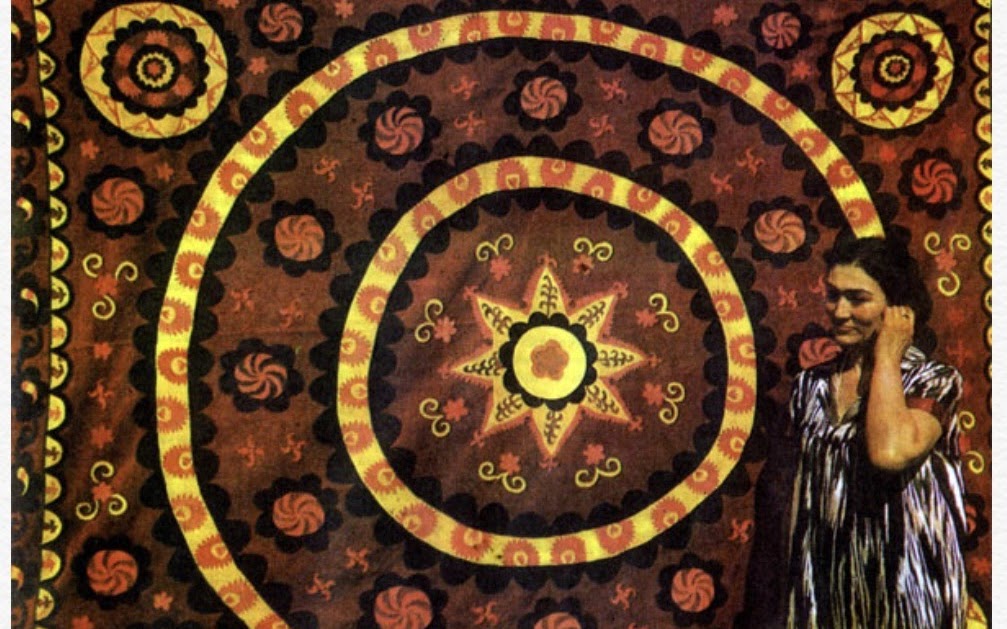
In Uzbek culture, the suzani is an ancient embroidered textile whose cosmic motifs — suns, planets, moons, and spirals — represent the concept of falak (the sky). The Umarov family suzani features a large sun at its center, with smaller discs bearing spiral patterns arranged on "orbits" around it. According to legend, the first "sun and moon" suzani was created by the bride of a student of Mirzo Ulugbek, the great 15th-century astronomer-king of Samarkand.
That a nuclear physicist who devoted his life to the sun should come from a family whose most treasured textile depicts the solar system is one of those coincidences that feels like destiny.
Nabira Shamsieva — "The Sun"
Umarov's wife was Nabira Shamsieva (Шамсиева), whose family name derives from Shams — the Arabic and Persian word for "Sun." A man whose life's work was the sun, married to a woman whose very name means the sun, surrounded by a textile that depicts the sun. The poetic resonance is inescapable.
Biruni, Copernicus, and Modern Science
In 1973, Umarov published "Biruni, Copernicus, and Modern Science", exploring the intellectual lineage from the great Central Asian polymath Abu Rayhan al-Biruni through Copernicus to the modern understanding of the cosmos. The book was later translated into English as "At the Crossroads of the Millennium" (2001), making the case that the roots of heliocentric thought run deep through Central Asian soil.
Recognition
Accolades & Recognition
"His research was 50–60 years ahead of its time, and now we see how his bold ideas are being realized. Therefore, we all consider him our mentor."
— Prof. Daniel Alpert (USA), speaking at Davos, 1990
Awards
Order of Honor (USSR)
Medal "For Distinguished Labor"
Honorary diplomas from scientific institutions
Research cited alongside 13 Nobel laureates (Zeldovich & Khlopov, 1981)
Institutional Roles
Head of the Heliophysics Department, Physical-Technical Institute, Academy of Sciences of Uzbekistan
Member, Scientific Council of USSR Academy of Sciences — "Exploring new ways of using solar energy"
Member, Scientific Council of State Committee for Science and Technology of USSR on energy
Member, Bureau of Central Scientific and Technical Society of Ministry of Energy of USSR
Chairman, Problem Council on Heliotechnics of Academy of Sciences of Uzbek SSR
"Use of Low-Potential Solar Installations" G.Ya. Umarov (1976)
"Theory and Calculation of Heliotechnical Concentrating Systems" G.Ya. Umarov, R.A. Zakhidov, A.A. Vainer (1977)
His biographical book was written by Anatoly Ershov (Moscow, 1996), reissued in the USA in 2001, and is being republished in Uzbek for the centennial anniversary.
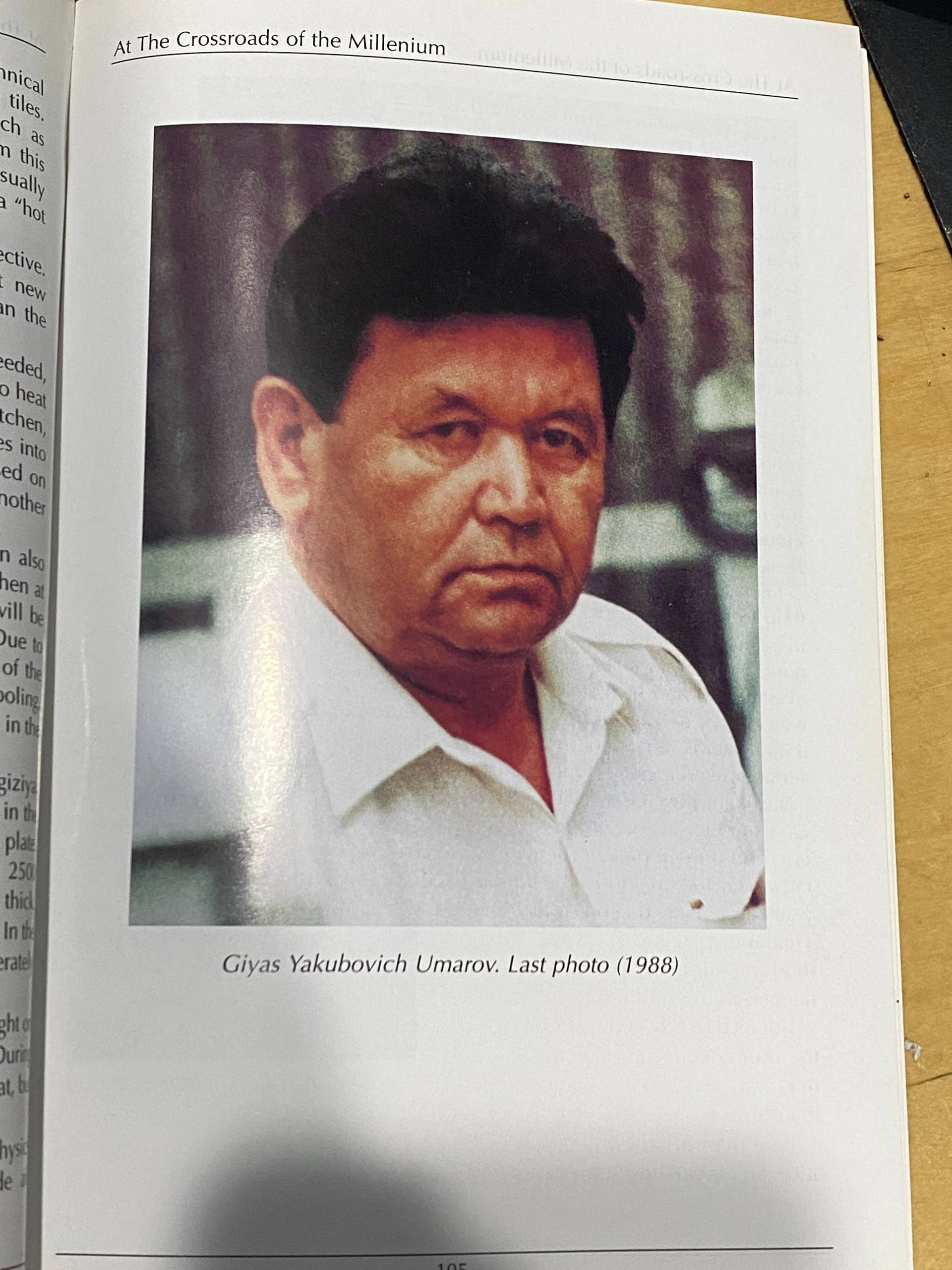
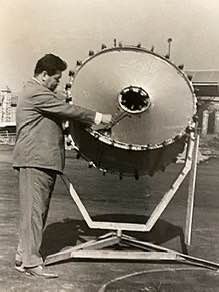
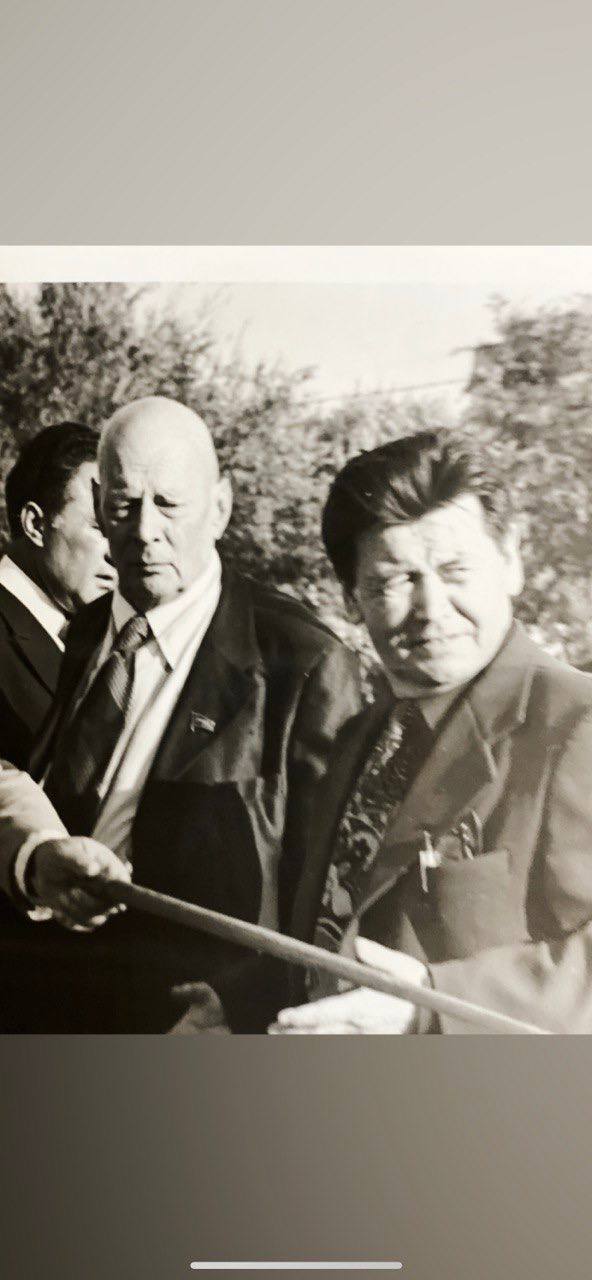
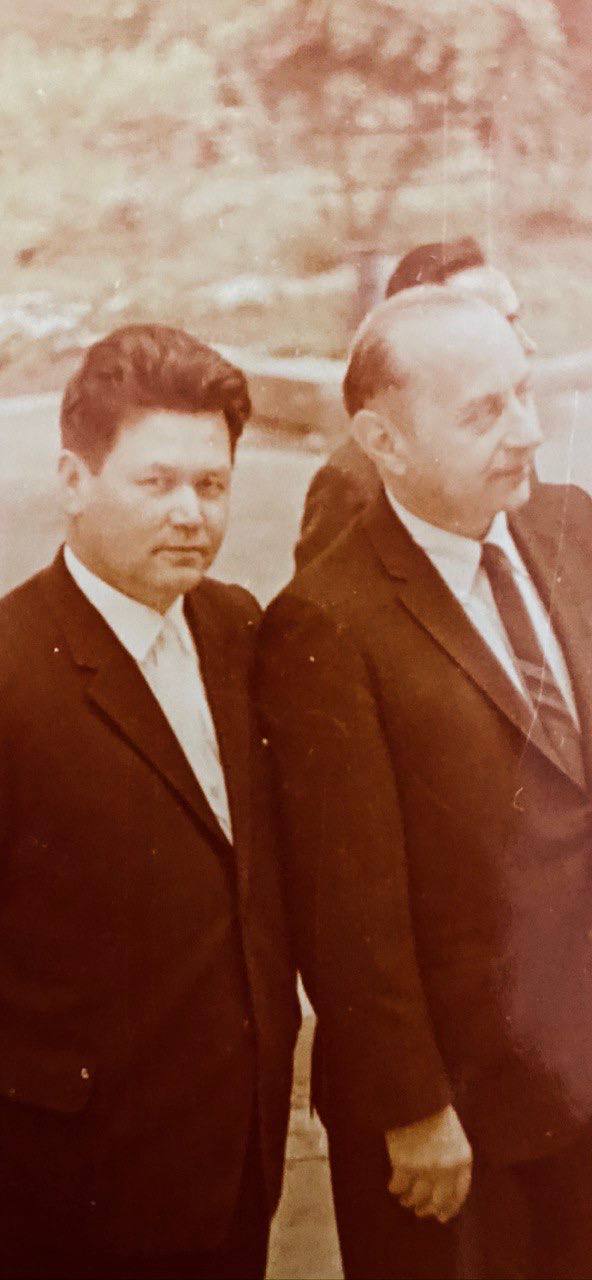
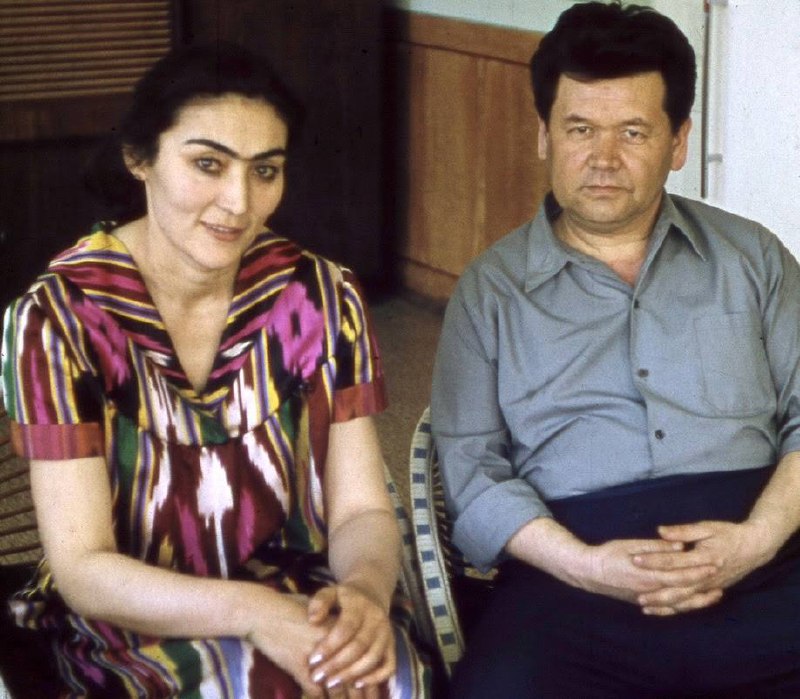
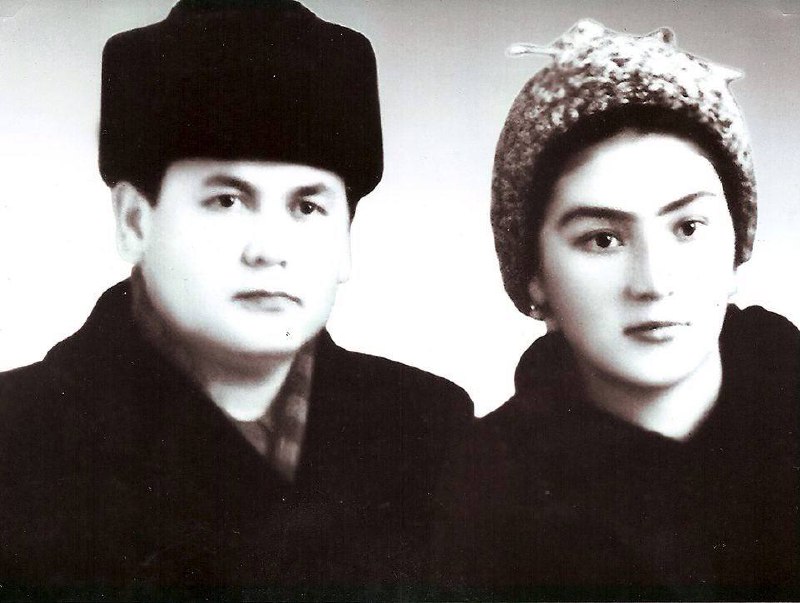
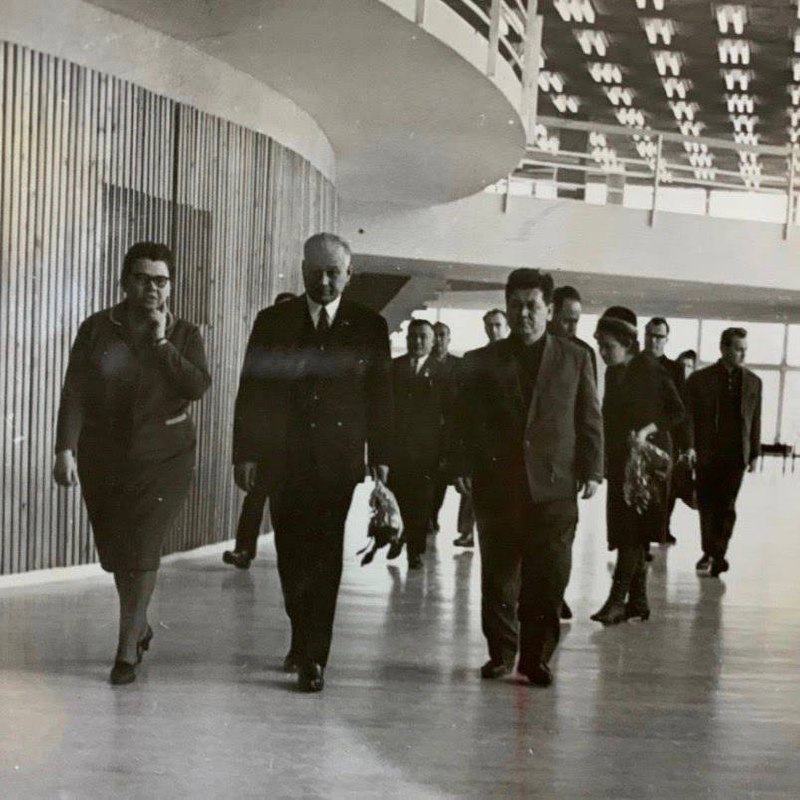
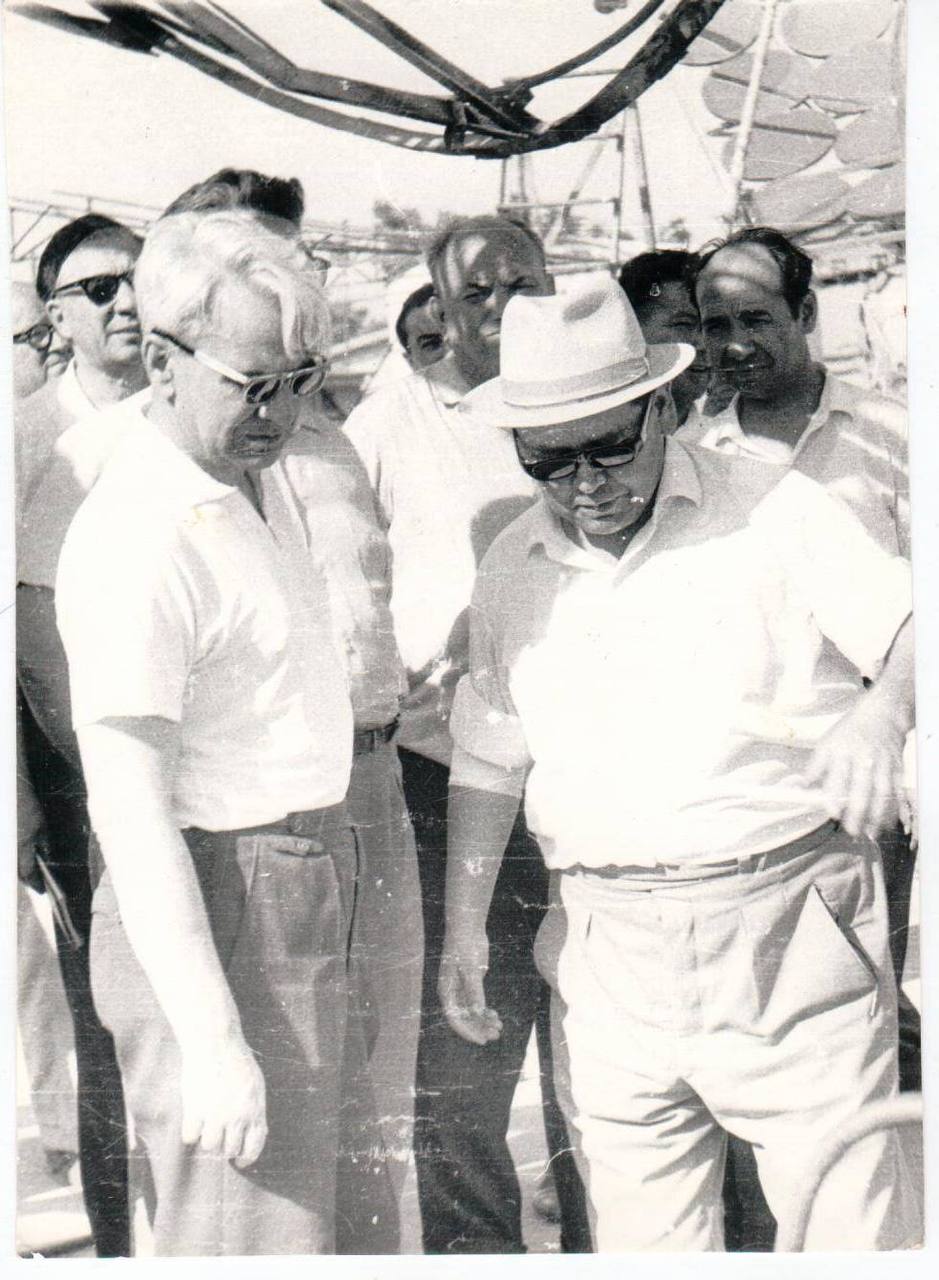
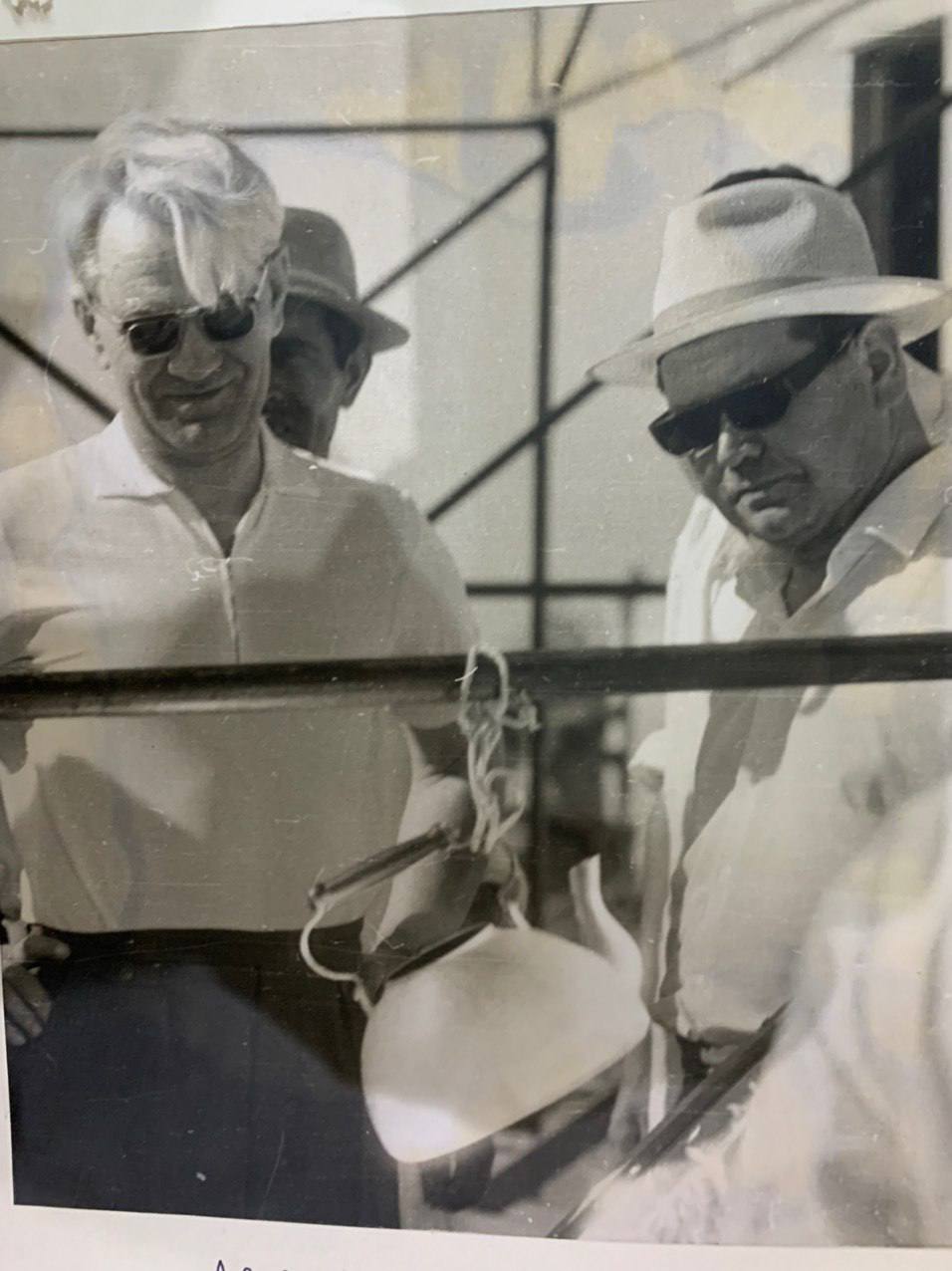
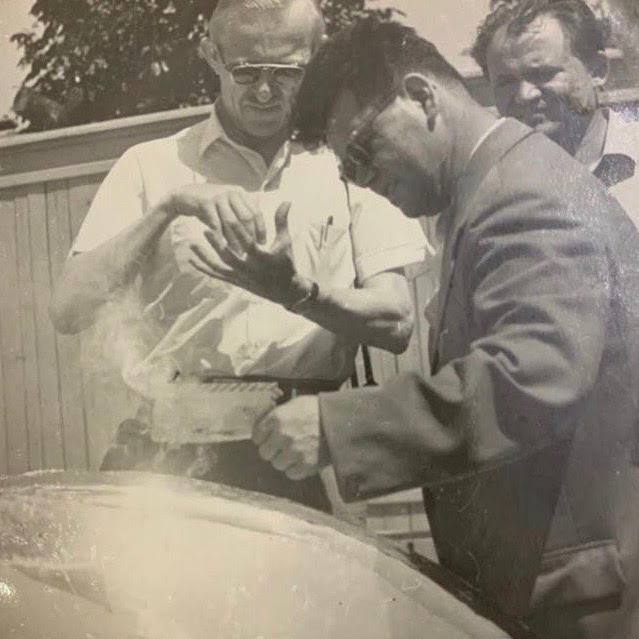
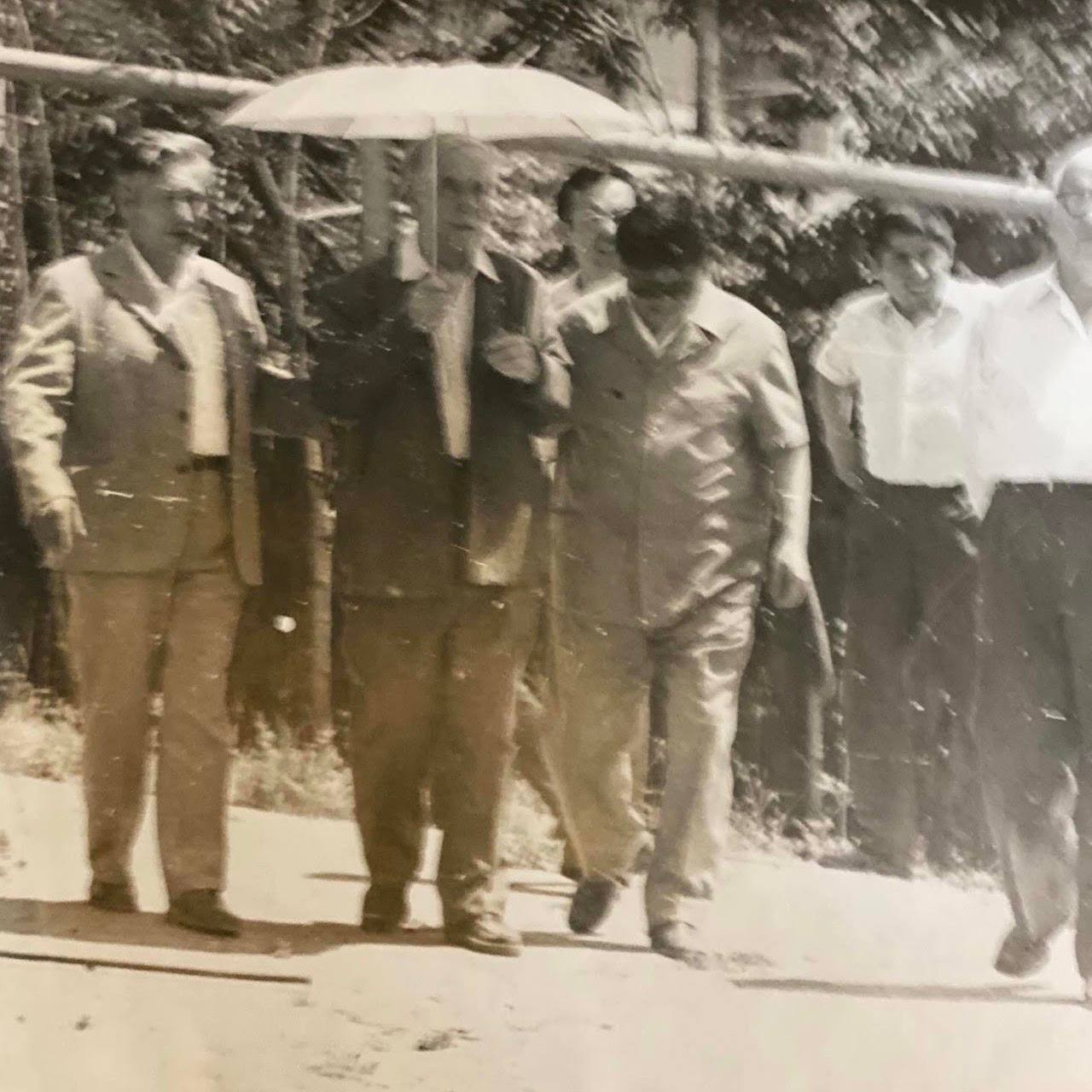
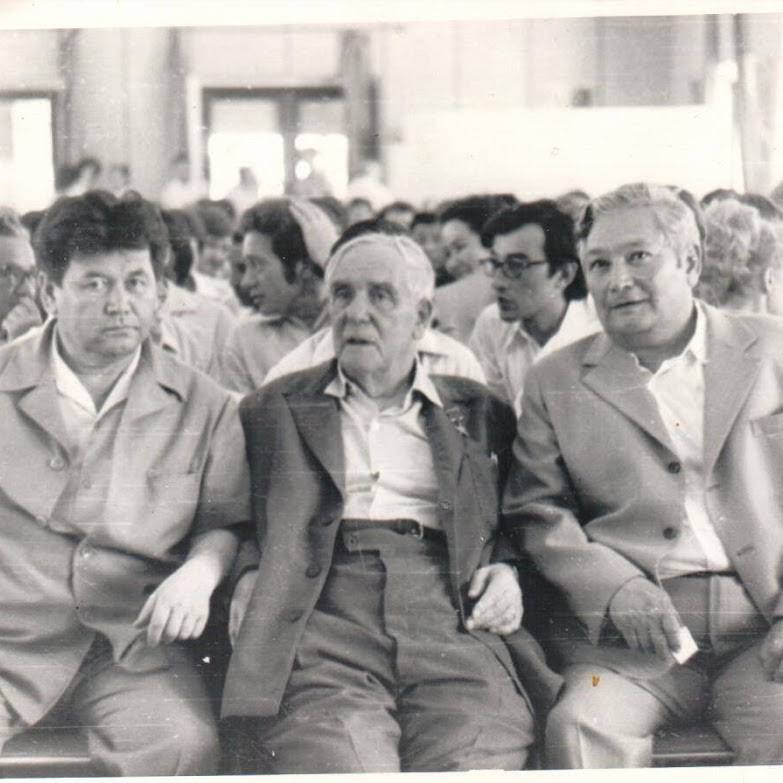
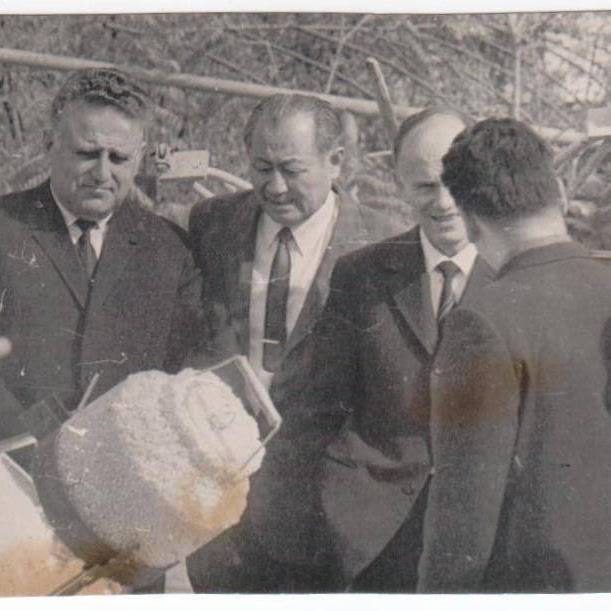
Nabira Shamsieva with the Umarov family suzaniIn 1975, G.Ya. Umarov demonstrated the Solar Furnace at the Heliopolygon to Academician V.A. Kirillin, Chairman of the State Committee for Science and Technology. Left: N.D. Khudayberdyev, right: A.U. SalimovLast photo (1988)G.Ya. Umarov demonstrates solar concentrators, Heliopolygon, Physical-Technical Institute, 1970sG.Ya. Umarov demonstrates solar concentrators, Heliopolygon, Physical-Technical Institute, 1970sVisit of the President of the USSR Academy of Sciences, academician A.P. Alexandrov to the Heliopolygon in Tashkent, early 1980sГелиоотдел на Гелиополигоне, первая половина 1970-хGiyas Yakubovich Umarov with his wife Nabira Shamsieva, 1975Giyas Yakubovich Umarov with his wife Nabira Shamsieva, mid 1950sIn 1967, on the occasion of the 50th anniversary of the Ukrainian SSR celebration in Kiev, a delegation from Uzbekistan led by Sh.R. Rashidov was in attendanceVisit of the President of the USSR Academy of Sciences, academician M.V. Keldysh to the Heliopolygon, 1966Visit of the President of the USSR Academy of Sciences, academician M.V. Keldysh to the Heliopolygon, 1966Professor George Oscar Löf (USA), visit Tashkent, 1966Visit of Nobel laureate P.L. Kapitsa to the Heliopolygon, TashkentVisit of Nobel laureate P.L. Kapitsa to the Heliopolygon, TashkentPresident of the National Academy of Sciences of Ukraine, academician B.E. Paton, and President of the Academy of Sciences of Uzbekistan, academician U.A. Arifov, visit the Heliopolygon in TashkentAcademician G.Ya. Umarov at the Solar Furnace, Heliopolygon, Tashkent
Videos
Archival footage (1970): state trials of solar desalination units. Shared by Afdandil Vardiyashvili on Facebook
Family
Family & Legacy
The story of Giyas Umarov's great achievements in heliotechnology began as follows: in the early 1950s, being an associate professor at the Central Asian Polytechnic Institute, he used his own funds — scraping them from his salary — to order glass plates from a mirror factory. From these, he assembled his first solar radiation concentrator with an area of 4 square meters. This pioneer's enthusiasm defined the spirit of the entire Umarov household.
For Giyas Yakubovich's children, the path into science was natural. From an early age, they became participants in his experiments and accompanied their father to scientific conferences. The very atmosphere in the family — intellectual, open, and creative — fostered the formation of a special type of thinking.
A special role in creating this world was played by his wife — Nabira Kosimovna Shamsieva. She was the soul of the house: brilliantly fluent in English, taught at university, and deeply researched the works of Alisher Navoi. Nabira Kosimovna was preparing to defend her dissertation when a swift illness cut short her life. "She was a person of special nature," Giyas Yakubovich would say of her. Wise and joyful, she possessed the rare gift of creating around herself a space of harmony, warmth, and high dignity.
The Umarov house was always open to people. Several times a week before lunch, the phone would ring: Giyas Yakubovich would announce that he was coming with colleagues. By their arrival, the table was always set. Despite the simplicity of the dishes, everything was prepared with impeccable taste — Nabira Kosimovna was famous for her mastery, especially plov and homemade baking. Products were bought at the local market, and grapes for dessert were gathered right from the courtyard.
In these hospitable walls, scientific discussions never ceased. Here came legendary scientists: academicians L.A. Artsimovich, V.P. Barmin, E.P. Velikhov, R.Z. Sagdeev, as well as their foreign colleagues. A close friend of the family was George Löf, founder of the American school of heliotechnology. The scientists even concluded a symbolic agreement — to live in "solar houses." And if Löf built such a house in the USA, then Umarov, despite all financial limitations, adapted his apartment for solar heating, proving by deed the viability of his ideas.
Participation in their father's projects gave the children fundamental skills, but each of them realized this potential in their own sphere — from fundamental science to international business.
The scientific tradition of Giyas Umarov continued in his sons:
The eldest son, Professor G.G. Umarov, became a direct successor to his father's work. Having defended his doctoral dissertation on solar drying, he devoted himself to preserving and popularizing the family's scientific heritage, working in close collaboration with his father's longtime associate — Academician R.A. Zakhidov.
The middle son Abror defended his dissertation on Stirling engines. After experience working in the oil and gas industry, he became one of the pioneers of international entrepreneurship in independent Uzbekistan, heading a large joint venture.
The youngest son Sanjar defended his dissertation on solar water heaters. After teaching physics in Algeria, he proved himself as an innovator in education and technology, becoming co-founder of the first Tashkent Business School and the first cellular communication company in the country.
The daughters, Nadira and Malika, having graduated from the Tashkent Institute of Irrigation Engineers, devoted their activities to the economics of water management — a critically important sector for the region.
The Umarov family carries forward not only the name, but a deep conviction: science, based on honesty and responsibility, can change the world.
From nuclear physics to the energy of the Sun, from academic laboratories to large-scale industrial projects — the legacy of Giyas Yakubovich Umarov continues to live in his students, his school, and his children. He often repeated: "Our children will definitely surpass us." And today this generation of followers, working around the world, confirms his correctness.